Virtual Calls With Family
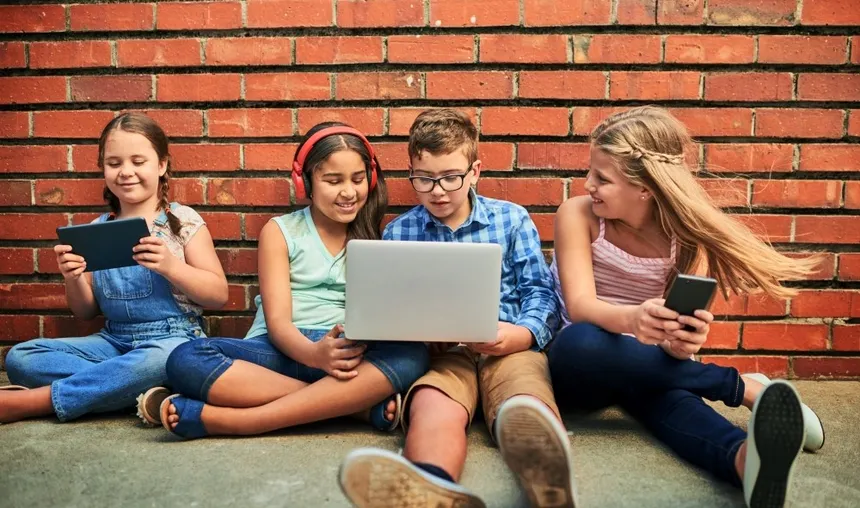
This story helps children understand that virtual calls connect families from anywhere and encourage love, communication, and responsible use of digital technology.
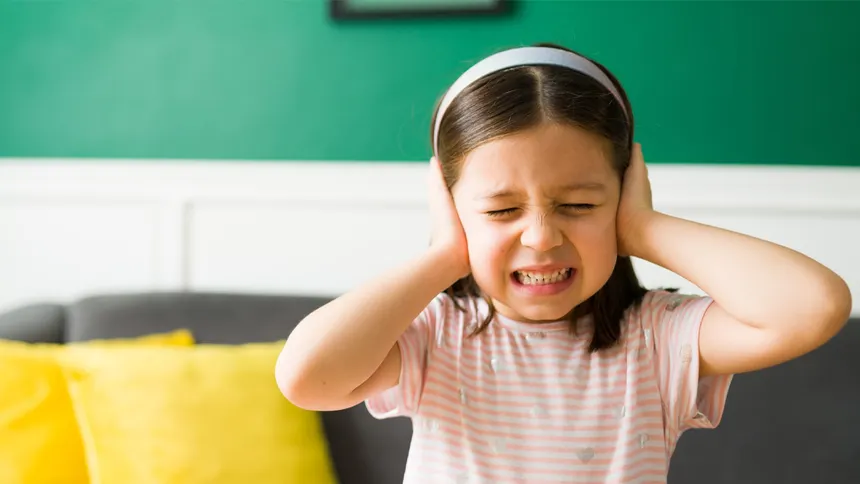
Hearing Loud Noises in Public
This story helps children understand how to stay calm around loud noises in public places and respond safely and responsibly.

My devices need power to work.
This story helps children understand that devices need power or charging to work properly and encourages responsible use and care of everyday technology.

Using a Tablet Safely
This story teaches children how to use a tablet safely by following rules, handling the device carefully, and making smart choices while using technology.

Fun Halloween Activities for Kids
This story highlights exciting Halloween activities children can enjoy safely. It focuses on creativity, costumes, crafts, and having fun while respecting rules and boundaries.

Masks Help Keep Us Safe
This story shows children enjoying Halloween safely by being creative with costumes, crafts, and fun activities while following important rules and respecting boundaries.

Going on a Walk
This social story helps children learn about walking safely with family. It teaches staying close, watching for cars, following directions, and enjoying the scenery outdoors.

Getting My Haircut
A gentle story that prepares children for a haircut. It explains the tools, the process, and how staying calm helps make the experience quick and comfortable.

Staying Calm When It’s Loud
This story teaches children how to stay calm in noisy environments. It introduces coping strategies such as covering ears, taking deep breaths, and asking for help when sounds feel overwhelming.

My Check-Up at the Doctor
A child-friendly explanation of what happens at a doctor’s visit. The story reduces anxiety by showing check-up steps, meeting the doctor, and understanding that doctors help keep us healthy.
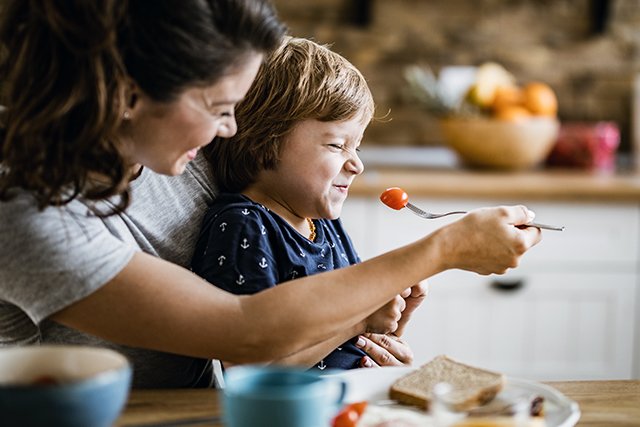
Trying New Foods
A supportive story for children learning to try new foods. It encourages exploring different tastes, being brave, and taking small steps toward healthy eating habits.
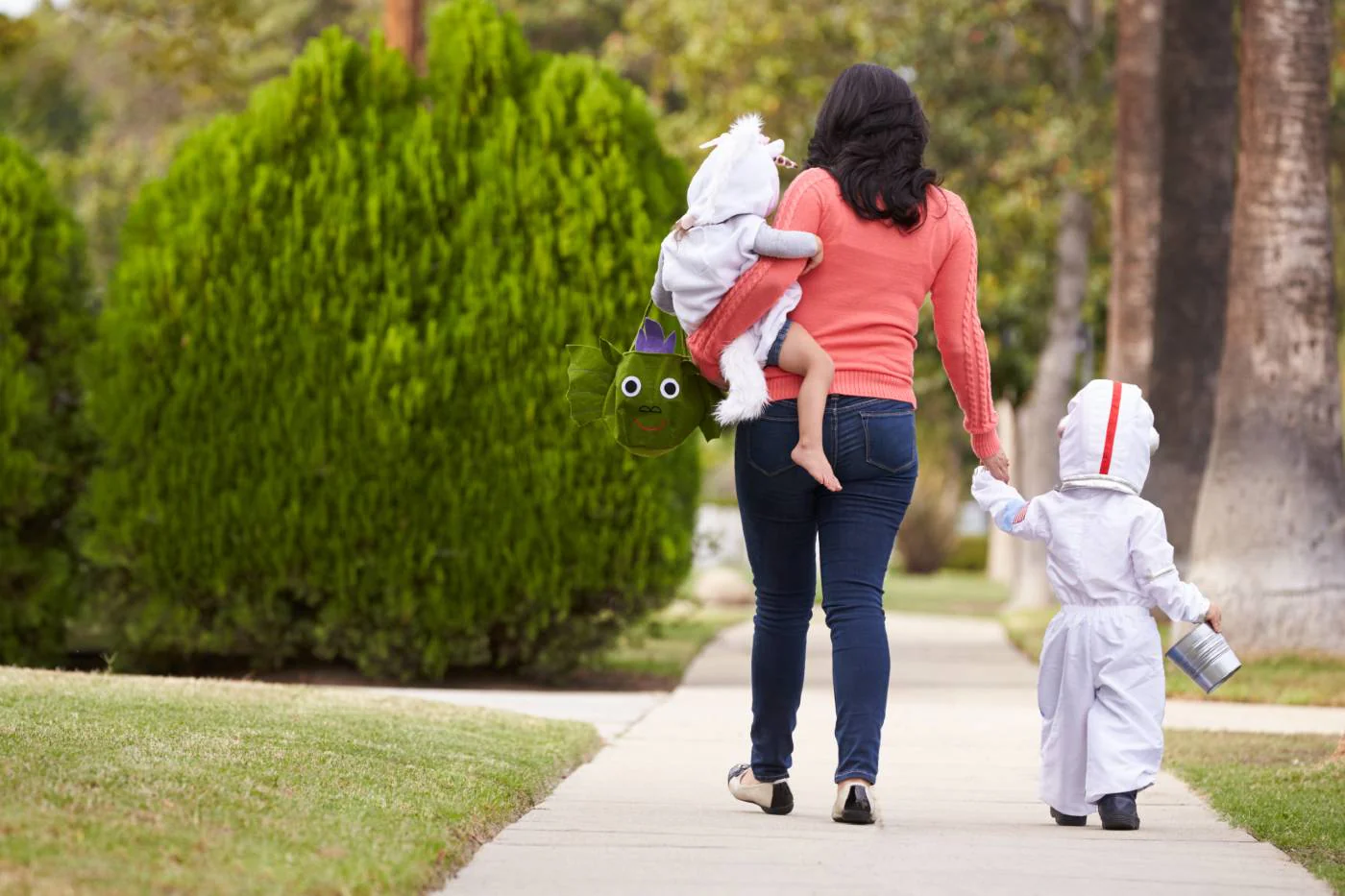
Tips and Tricks for Parents When Taking Kids Out for Trick-or-Treating
A helpful guide for parents to ensure a safe and fun Halloween experience. It includes tips on supervision, safety rules, costumes, and making the night enjoyable for kids.

Visiting the Zoo
A helpful story that guides children through what to expect during a zoo trip. It teaches staying close to adults, being gentle around animals, following rules, and enjoying learning about wildlife.

Visiting Grandma and Grandpa
This social story explains what happens when visiting grandparents. It highlights greeting family, spending quality time together, and practicing good manners in a warm, comforting environment.
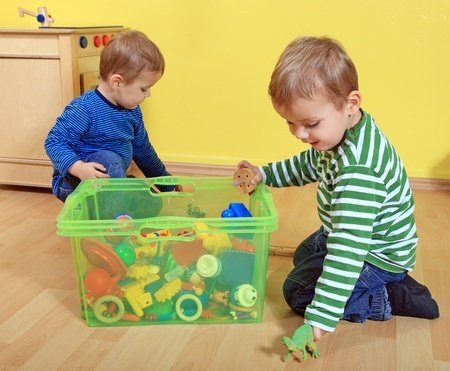
Cleaning Up My Toys
This social story helps children understand why cleaning up is important and how to put toys away step-by-step. It teaches responsibility, independence, and how keeping spaces tidy makes playtime more fun.
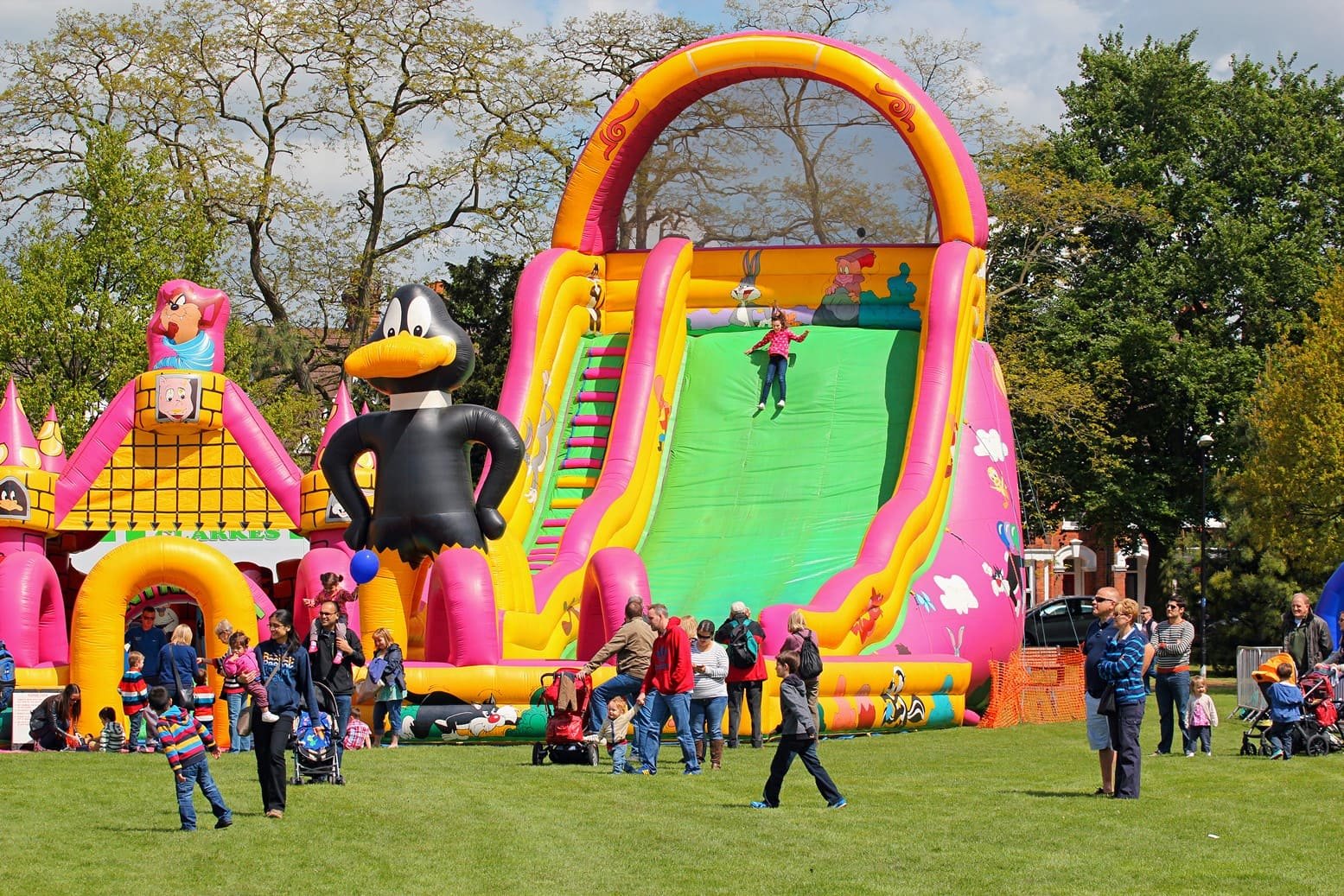
A Fun Day at the Park
This story prepares children for a visit to the park by explaining what they may see and do. It encourages safe play, sharing, waiting for turns, and enjoying outdoor activities with family or friends.
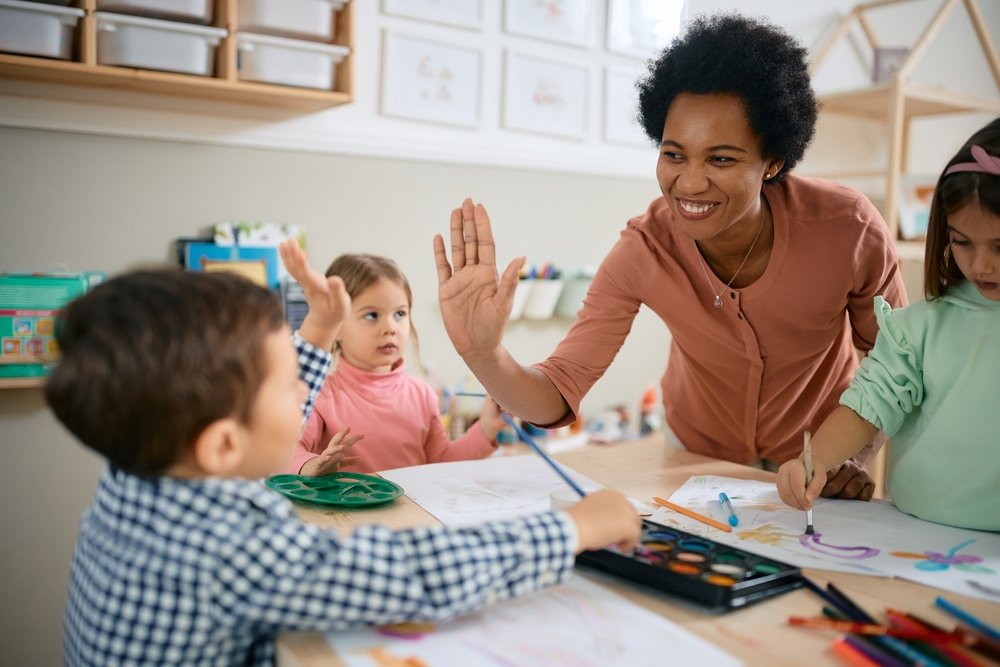
Teaching Emotional Regulation in ABA
Emotional regulation means understanding and managing our feelings in different situations. In Applied Behavior Analysis (ABA), children are taught how to identify their emotions, express them appropriately, and use coping strategies to stay calm and make good choices.
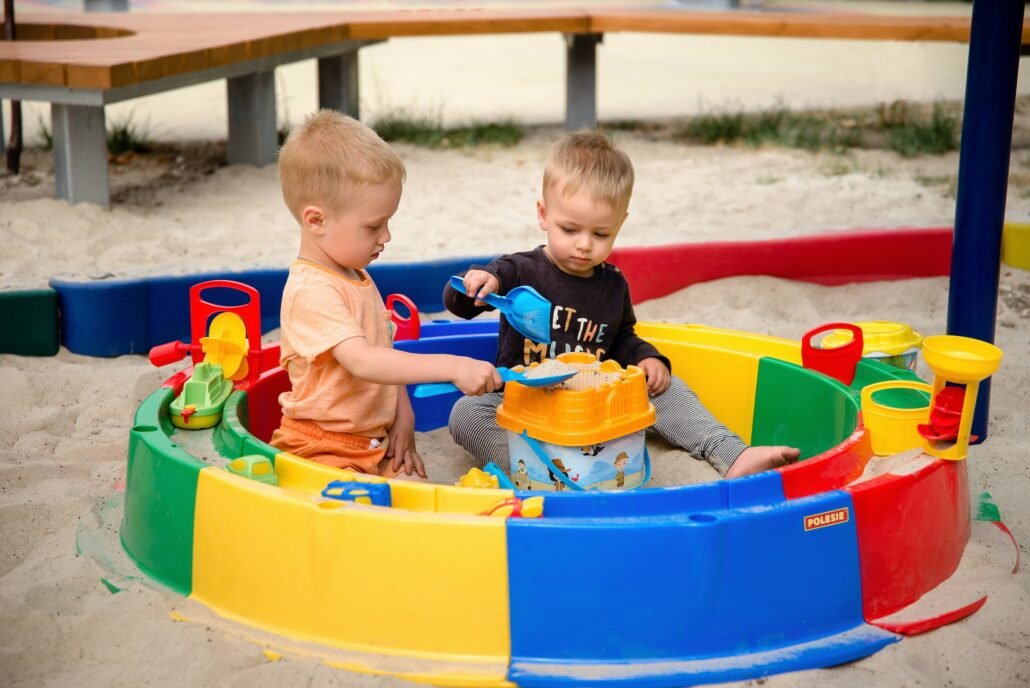
Teaching Play Skills
Through structured play activities, modeling, and reinforcement, children practice different types of play from simple toy play to cooperative games with others. The goal is to build communication, creativity, social connection, and confidence through fun and meaningful play experiences.
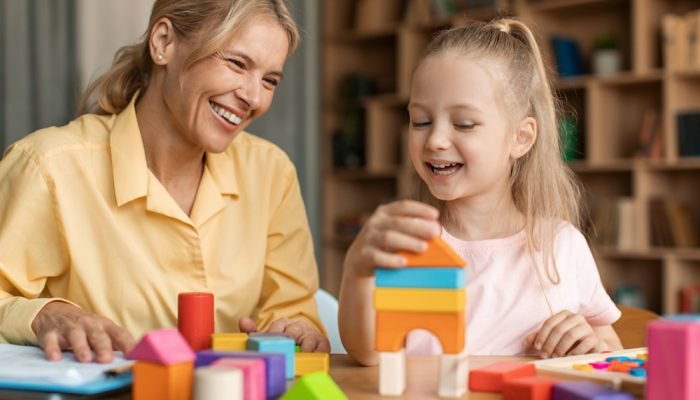
Understanding Self-Stimulatory Behavior
Self-stimulatory behaviors (often called stimming) are repetitive actions such as hand-flapping, rocking, spinning, or repeating words and sounds. These behaviors can help individuals manage sensory input, express emotions, or cope with excitement or stress.In Applied Behavior Analysis (ABA), the goal is to understand why these behaviors occur and teach appropriate and safe alternatives when needed. Through observation, reinforcement, and sensory strategies, therapists help learners find healthier ways to meet their sensory or emotional needs while supporting comfort, focus, and well-being.

Using the Toilet Like a Big Kid!
Learning to use the toilet is a big step toward independence and self-confidence. In Applied Behavior Analysis (ABA), toilet training is taught using a positive, patient, and structured approach that helps every child succeed at their own pace. Children are first guided to understand when their body needs to use the toilet, how to communicate that need, and how to follow each step — from going to the bathroom, pulling down clothes, sitting on the toilet, cleaning up, flushing, and washing hands.Therapists and parents use visual schedules, modeling, prompts, and reinforcement to make the process clear and encouraging. Every success,no matter how small, is celebrated to build motivation and confidence.
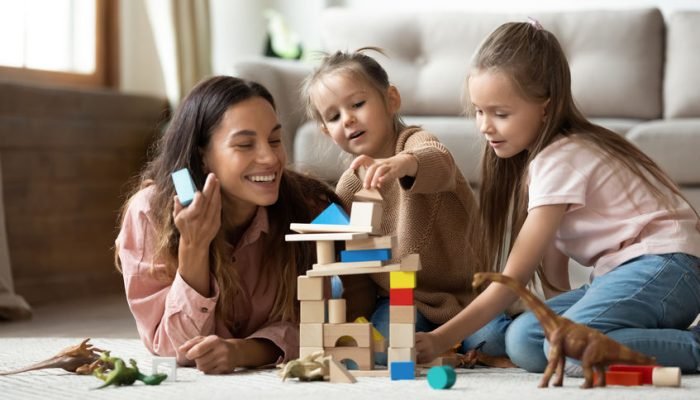
Natural Environment Teaching (NET) in ABA
Natural Environment Teaching (NET) is a way of teaching skills in everyday, natural settings like playtime, snack time, or during a walk instead of a structured classroom setup. In Applied Behavior Analysis (ABA), NET helps children learn new skills in the same places and situations where they will actually use them. Therapists use the child’s interests, play activities, and daily routines to create learning opportunities. For example, while playing with blocks, a therapist might teach colors, counting, or requesting. During snack time, the child might learn to ask for food or practice waiting their turn. This approach keeps learning fun, natural, and meaningful, helping children generalize their skills across different people, environments, and situations. The main goal of NET is to help learners develop independence, communication, and social skills that they can use confidently in real life.
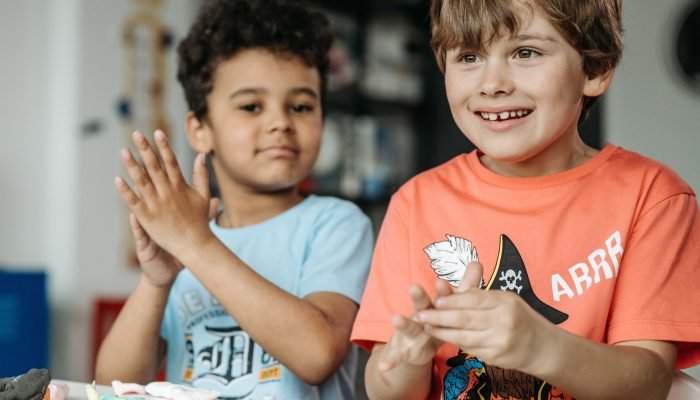
Building Self-Help Skills with ABA
Self-help skills are everyday tasks that help children become more independent, confident, and capable in their daily lives. These include activities such as dressing, eating, brushing teeth, washing hands, and managing personal belongings. In Applied Behavior Analysis (ABA), therapists teach self-help skills using a step-by-step approach that matches each child’s learning pace. Complex tasks are broken into smaller, easy-to-learn steps, and each success is encouraged through positive reinforcement and clear guidance. Therapists use visual supports, prompting, modeling, and practice to help children master routines both at home and in school. Over time, these skills build the foundation for greater independence, responsibility, and self-confidence.The goal of teaching self-help skills in ABA is to empower every child to take care of themselves, make choices, and participate more fully in daily life.
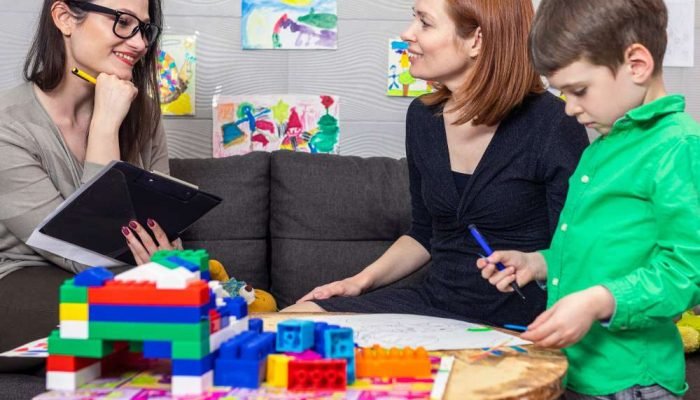
Do the Right Thing
Doing the right thing” means making good choices — even when it’s hard! In Applied Behavior Analysis (ABA), children learn how to understand what behaviors are appropriate in different situations and why it’s important to make positive choices. Through modeling, role-playing, reinforcement, and social stories, learners practice being honest, kind, patient, and responsible. They learn that their actions have consequences — and that doing the right thing helps everyone feel happy and safe. ABA therapists teach these skills by recognizing and rewarding positive behaviors, helping children learn self-control, empathy, and respect for others. The goal is to build strong character, encourage independence, and support children in becoming confident, caring individuals who make the right choices — not just because they’re told to, but because they understand why it matters.
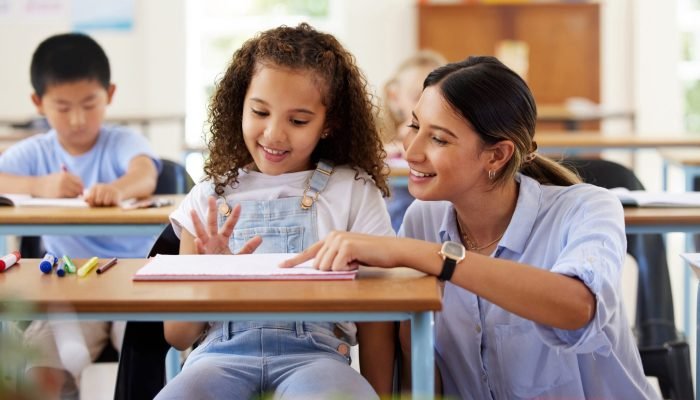
Functional Behavior Assessment
A Functional Behavior Assessment (FBA) is a process used in Applied Behavior Analysis (ABA) to understand why a behavior happens. Instead of just focusing on the behavior itself, therapists look at what happens before (antecedent) and after (consequence) the behavior to find its purpose or function. Common reasons (functions) for behavior include gaining attention, escaping a task, accessing a desired item, or sensory stimulation. By identifying the reason behind a behavior, ABA professionals can create an effective Behavior Intervention Plan (BIP) that teaches positive and appropriate alternatives. The FBA process often includes observations, interviews, data collection, and analysis to clearly understand the behavior in context.The main goal is to reduce challenging behaviors and increase positive, meaningful behaviors by addressing the root cause not just the symptoms.
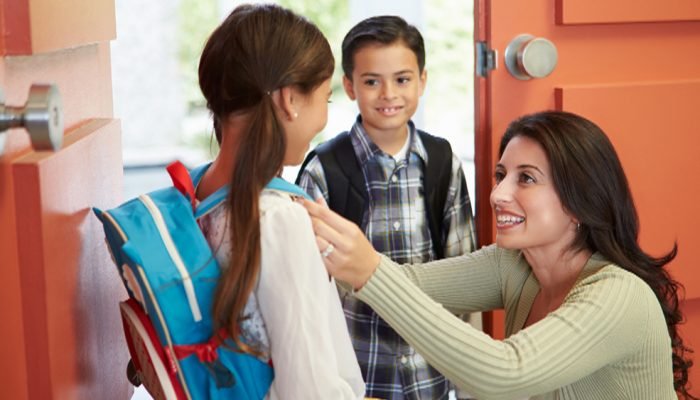
getting kids ready
Getting ready means preparing for the day or an activity by following simple steps like dressing up, brushing teeth, packing bags, and gathering needed items. In Applied Behavior Analysis (ABA), children are taught these routines in a fun and structured way to help them become more independent and confident. Therapists use visual schedules, prompts, modeling, and positive reinforcement to guide children through each step, making the process easier to understand and follow. Practicing these skills regularly helps kids develop good habits, time management, and self-care abilities. The goal is to support every child in feeling prepared and ready to face their day or activity with a sense of accomplishment and independence.

Going to the Grocery Store
Going to the grocery store is a fun and important activity where children can learn about shopping, making choices, and interacting with others. In Applied Behavior Analysis (ABA), children are taught how to follow routines, wait patiently, ask for items, and behave appropriately in a busy store environment. Using visual supports, social stories, and role-playing, kids practice what to expect and how to handle different situations while shopping. They learn skills like following a list, taking turns, using polite words, and staying safe. The goal is to help children feel comfortable, confident, and independent during grocery trips, making it a positive experience for the whole family.
Maintenance & Mastery
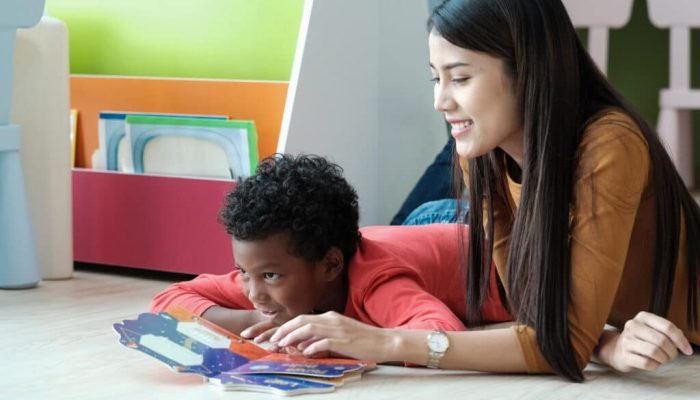
In Applied Behavior Analysis (ABA), maintenance means helping a learner continue using a skill over time, even after it has been taught. It ensures that the skill is not forgotten and can be used in different situations and settings. Mastery means the learner has achieved a high level of accuracy and independence in using a skill consistently. Mastery shows that the child can perform the skill correctly without prompts or assistance. Together, maintenance and mastery are important goals in ABA to make sure skills are learned deeply, remembered well, and used confidently in everyday life. Therapists use ongoing practice, reinforcement, and natural opportunities to support both maintenance and mastery.

methods to enhance communication and increase mands
In Applied Behavior Analysis (ABA), mands are requests or ways a learner asks for what they want or need. Teaching mands is an important part of developing effective communication skills. Therapists use several methods to enhance communication and increase mands, including: Prompting and modeling: Showing the learner how to ask for items or help. Reinforcement: Providing immediate and meaningful rewards when the learner makes a request. Using visual supports: Such as pictures, communication cards, or speech devices to help express needs. Natural environment teaching: Encouraging communication during everyday activities and routines. Shaping and fading prompts: Gradually helping the learner become more independent in communicating.